
Quality Built into Every Stage
Reliable motor performance starts with controlled materials, stable processes, precise inspection, and consistent production.
talk to our engineer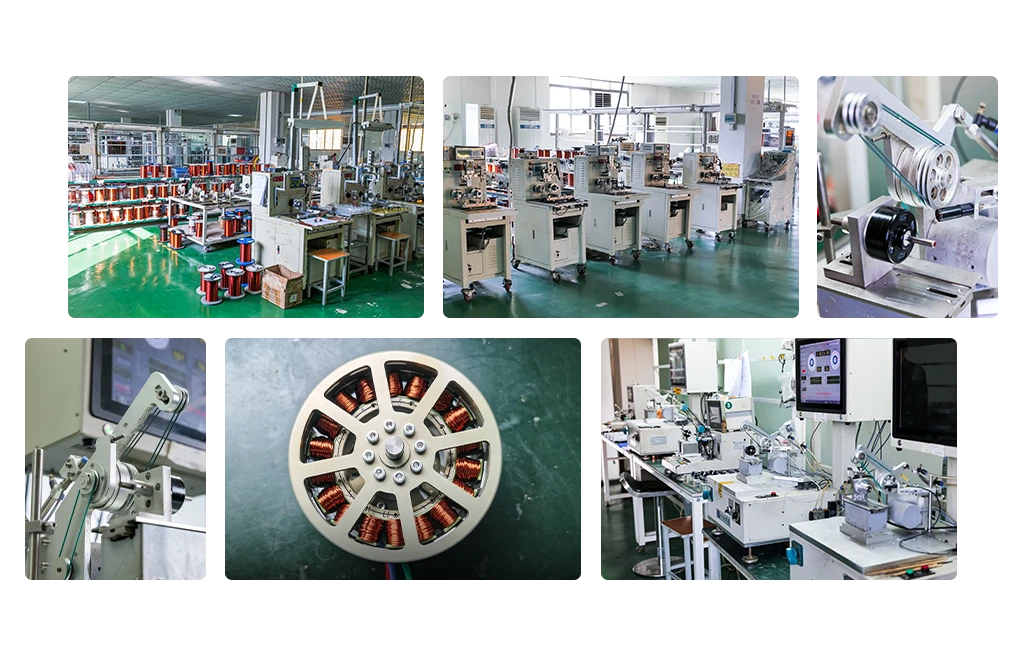
Quality Starts with Process Control
Quality is built into the manufacturing process, not added through final inspection.
Quality Starts with the Right Materials
The performance of a motor depends on the materials inside it.Critical materials and components are evaluated according to the requirements of each project, helping ensure that the final motor performs as designed and remains consistent throughout production.

Mechanical Components
Shafts, housings, bearings, fasteners, and precision components are controlled to meet dimensional and assembly requirements.
Insulation Systems
Magnet wire, insulation materials, slot liners, and related components are considered according to voltage, temperature, and operating conditions.
Conductive Materials
Electrical steel, permanent magnets, and other magnetic materials are selected according to the motor's electromagnetic requirements.
Magnetic Materials
Carbon steels, stainless steel, silicon steels, high-saturation alloys, amorphous ferromagnetic alloys, soft magnetic powder composites, ceramic, Alnico and other magnetic materials are selected according to the motor's electromagnetic requirements.
Manufacturing Process Control
The validated design must be reproduced consistently on the manufacturing floor.Our engineering and manufacturing teams work together to control critical processes from incoming materials through final assembly.

Incoming Inspection


Winding

Assembly

Dimensional Inspection

Electrical Testing

Final Inspection
Precision Inspection for Critical Components
Critical dimensions and manufacturing characteristics are inspected using appropriate measurement methods throughout production.
Dimensional Inspection
CMM · Gauges · Micrometers · Calipers
Surface & Geometry
Surface finish · Runout · Flatness · Critical tolerances
Material Verification
Material specifications · Certificates · Applicable compliance requirements

Consistency from Prototype to Production
A successful prototype is only the beginning.Once the motor design has been validated, the next challenge is reproducing the same performance consistently in production.
We focus on process standardization, inspection methods, functional testing, and final quality verification to help maintain consistency as production moves from prototype to volume.

Built for Global Standards
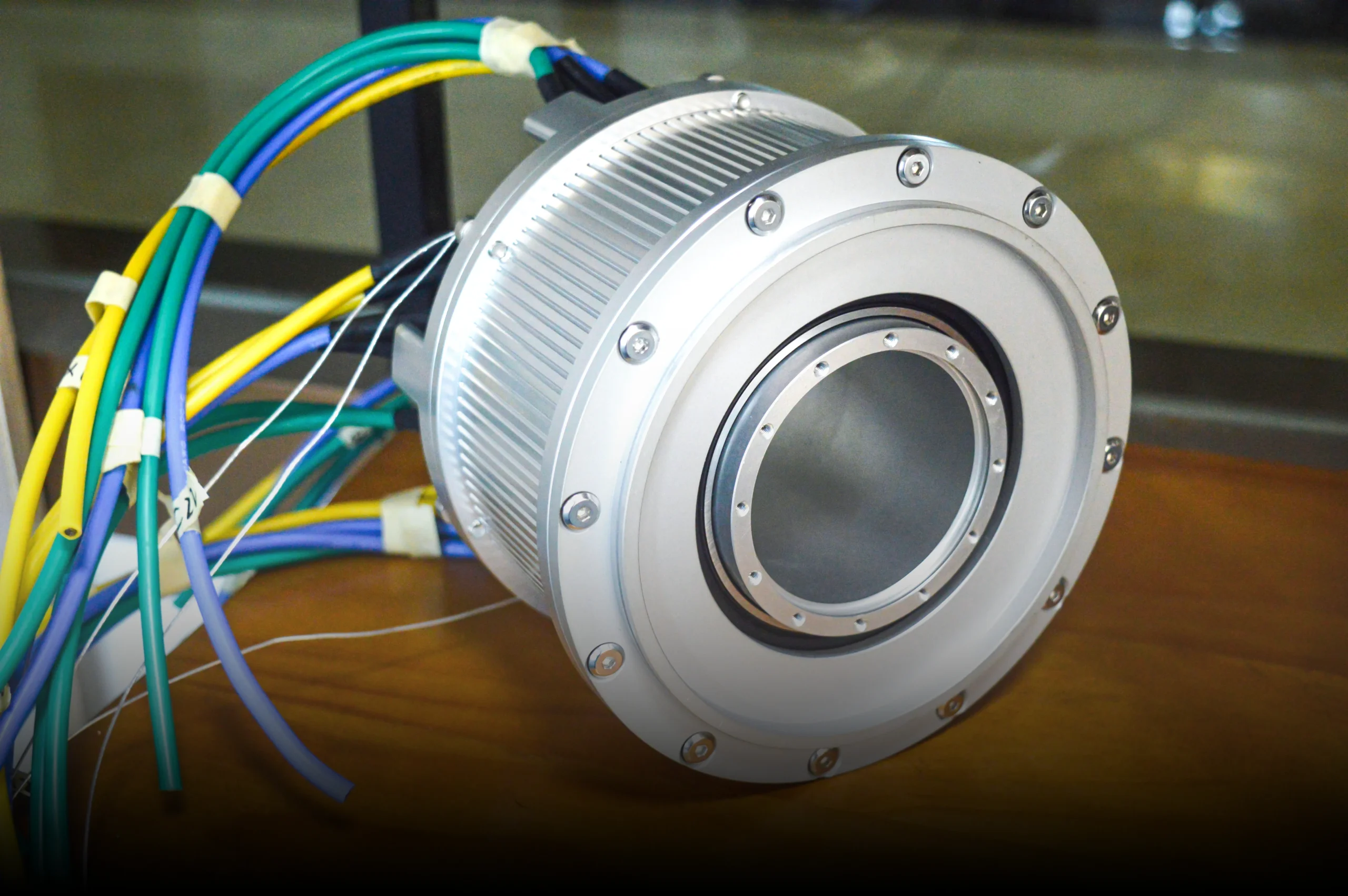
SOZN’s motor solutions are developed with applicable international standards, regional regulations, and customer-specific requirements in mind.
International Motor Standards
IEC 60034
NEMA MG 1
UL 1004

Engineering & Quality
ASME Y14.5
ISO GPS
IATF 16949
AS9100

Market Compliance
CE
RoHS
REACH
DOE / CSA

Application Requirements
DO-160
MIL-STD-810
Customer Specifications
FAQS
Explore our frequently asked questions to find the answers you need about our company.
1. How do you ensure the quality of custom motors?
We integrate quality control throughout the development process, including design validation, material verification, manufacturing process control, prototype testing, and final inspection.
2. When does quality control begin?
Quality control begins during the design stage. We evaluate performance requirements, materials, tolerances, and manufacturing considerations before prototype production.
3. How do you validate a motor prototype?
Prototype validation can include electrical, mechanical, thermal, and performance testing, depending on the motor's specifications and application requirements.
4. Can you support quality requirements for volume production?
Yes. Once a motor design has been validated, we can establish controlled manufacturing and inspection processes to support consistent production.
5. Can testing be customized for our application?
Yes. Testing can be defined around your motor specifications, operating conditions, performance targets, and application requirements.
Tell us what you need the motor to achieve.
Our engineering team can review your requirements, drawings, performance targets, or existing motor design and discuss the appropriate development and validation approach.